Premium candy isn’t defined by price — it’s defined by consistency. A premium product delivers the same taste, texture, and appearance in the thousandth batch as it did in the first sample. If you’re sourcing custom or private-label candy, these are the 5 quality signals that separate a genuine premium manufacturing partner from one that merely talks about quality.
Sample-to-Bulk Consistency
The most common complaint in candy sourcing is: the sample was perfect, but the bulk shipment was different. Premium manufacturing closes that gap.
- The sample should be produced on the same recipe, the same raw materials, and the same process that will be used for mass production
- Look for manufacturers that keep production parameters (cooking temperature, texture settings, color dosing) documented and repeatable
- Ask directly: “Will the bulk product match the approved sample, and how do you verify it?”
A factory that can answer this with a concrete quality-control process — not just a promise — is demonstrating a premium capability.
Batch-to-Batch Stability Over Time
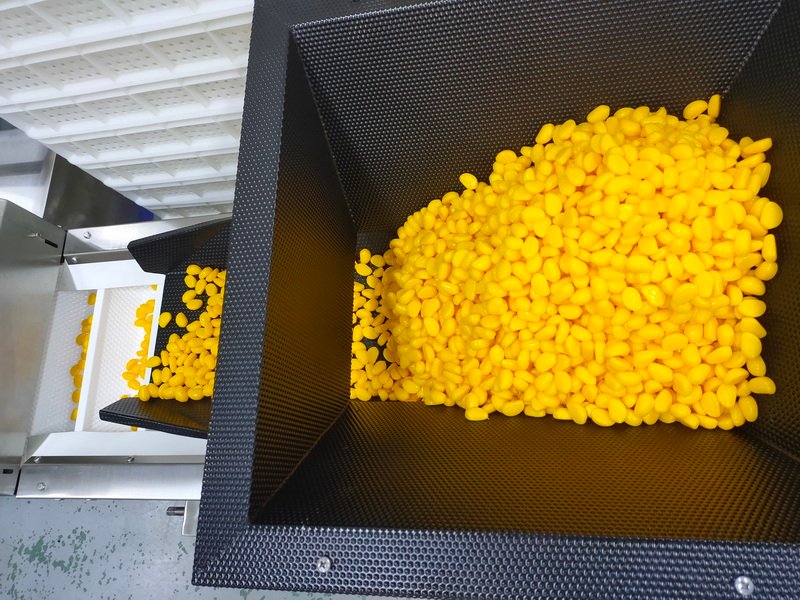
Premium is also a time property. A truly premium product is one your customers recognize every single time they open a bag:
- Stable flavor profiles across batches and seasons
- Consistent color, texture, and piece weight
- Repeat orders that look and taste the same, order after order
This is where mature production platforms outperform ad-hoc manufacturing. Products with an established process, equipment, and ingredient system deliver this stability naturally — which is why premium brands build on proven products rather than reinventing every SKU.
Ingredient & Formula Transparency
Premium sourcing means you know exactly what is in your product:
- Product Specification with accurate declared values
- Ingredient List and Allergen Information per market requirements
- COA (Certificate of Analysis) for each shipment
- Testing reports from qualified labs when required
A manufacturer that provides complete documentation as a standard — not as a favor — is operating at premium level. Documentation isn’t paperwork; it’s evidence of control.
Certification & Food-Safety Systems That Are Actually Used
Certificates matter, but what matters more is whether the certification system runs the factory:
| Signal | Commodity-level | Premium-level |
|---|---|---|
| Certifications | “We have certificates” (displayed, rarely applied) | Certificates are part of daily operations — HACCP, ISO, FDA-compliant processes govern production |
| Quality control | Inspections at the end of the line | Controls at every stage: raw material intake, cooking, forming, packaging, finished-goods QC |
| Traceability | Limited | Full-process traceability documented |
| Documentation | Provided on request | Provided with every shipment as standard |
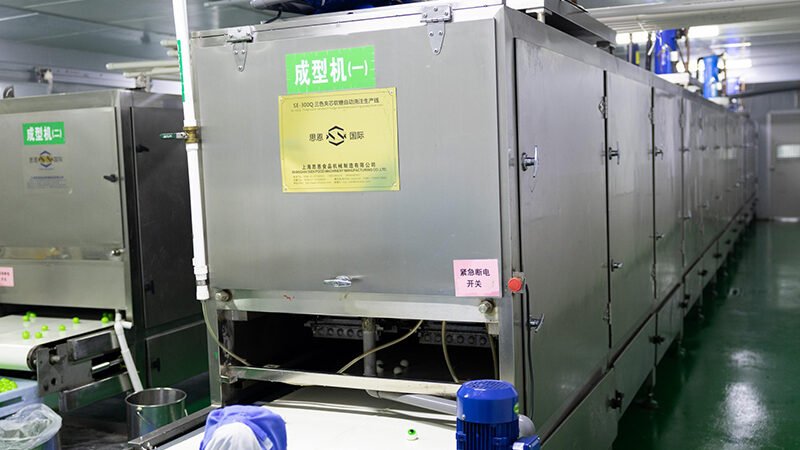
MPS Food operates an ISO/FDA-certified factory with strict quality control at every step — see our factory and certifications for details.
Customization That Actually Executes
Premium doesn’t mean “we can do anything.” In fact, the opposite: a premium partner tells you honestly what can be commercialized at scale before promising it.
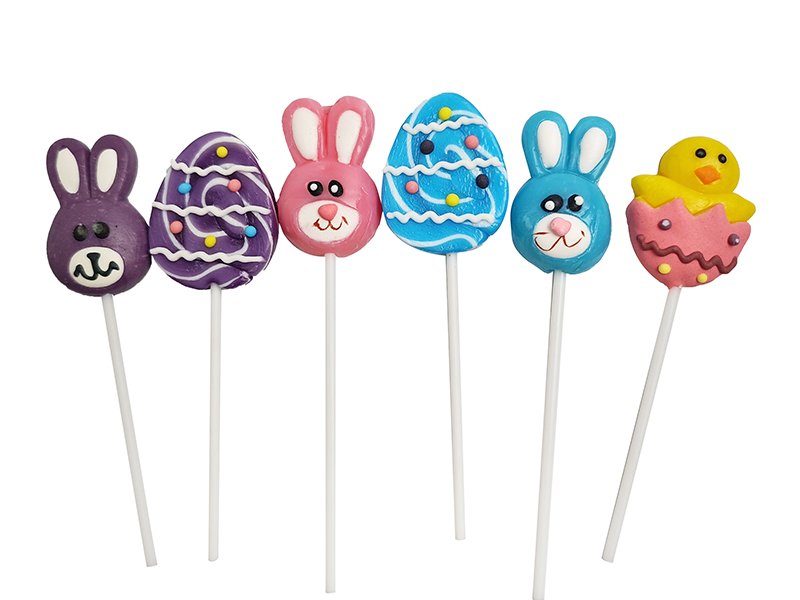
- Premium execution = custom flavors, shapes, colors, and packaging delivered reliably at production volume
- A premium partner assesses feasibility first: recipe viability, line compatibility, mold needs, and minimum production volume — then commits only to what can be produced stably
- Fast prototyping is a premium capability (concepts become tasteable prototypes quickly), but the real test is speed to mass production without quality drift
This “feasibility-first” discipline is exactly what protects your product quality and your launch timeline. Explore how we work on our services page.
Premium vs Commodity: A Quick Comparison
| Dimension | Commodity sourcing | Premium sourcing |
|---|---|---|
| Sample vs bulk | Often drifts | Matched and verified |
| Repeat orders | Quality varies | Consistent batch to batch |
| Documentation | Minimal | Full spec/COA/allergen/testing files |
| Certifications | Displayed | Applied in daily operations |
| Customization | “Anything is possible” (risky) | Feasibility-checked, reliably executed |
| Relationship | Transactional | Long-term partner |
FAQ: Sourcing Premium Custom Candy
1. What is the most important quality signal when choosing a candy manufacturer?
Sample-to-bulk consistency. Everything else — price, lead time, promises — matters less than the bulk shipment matching the approved sample.
2. Does premium candy cost much more?
Not necessarily. Premium is about control and consistency, which reduce waste, rework, and market risk. Over the long run, consistent quality often costs less than fixing problems in a commodity supply chain.
3. What documents should a premium candy supplier provide?
Product Specification, Ingredient List, Allergen Information, COA, testing reports, food-safety certificates, commercial invoice and packing list — and the ability to support Halal, Kosher, ISO/HACCP requirements per project and market.
4. Can I start with a small test order before committing to premium customization?
Typically, yes — sampling is the first step. For production MOQs, most commercial candy items require around 4–6 tons or 30,000–60,000 pieces per item; we’ll confirm exact figures for your SKUs.
5. What if my product idea is completely new?
A premium partner evaluates commercial feasibility first — recipe, ingredients, line compatibility, molds, and minimum production volume — and tells you honestly whether it can be produced stably at scale before quoting.
Build a Premium Candy Line With MPS Food
MPS Food is a professional OEM/ODM candy manufacturer specializing in gummy candies, hard candies, sour belts, and seasonal treats — with custom flavors, shapes, and packaging for global markets. Explore our products and get in touch to discuss your project.